- Home Repairs
- Roofing
- Windows
- Siding
- Gutters
- Doors
- Baths
- Financing
- Specials
- Careers - We're Hiring!
- Recent Projects
- Do It Yourself
- Pay Bill
- Customer Service
- Live Chat
- Refer A Friend
- Online Estimate

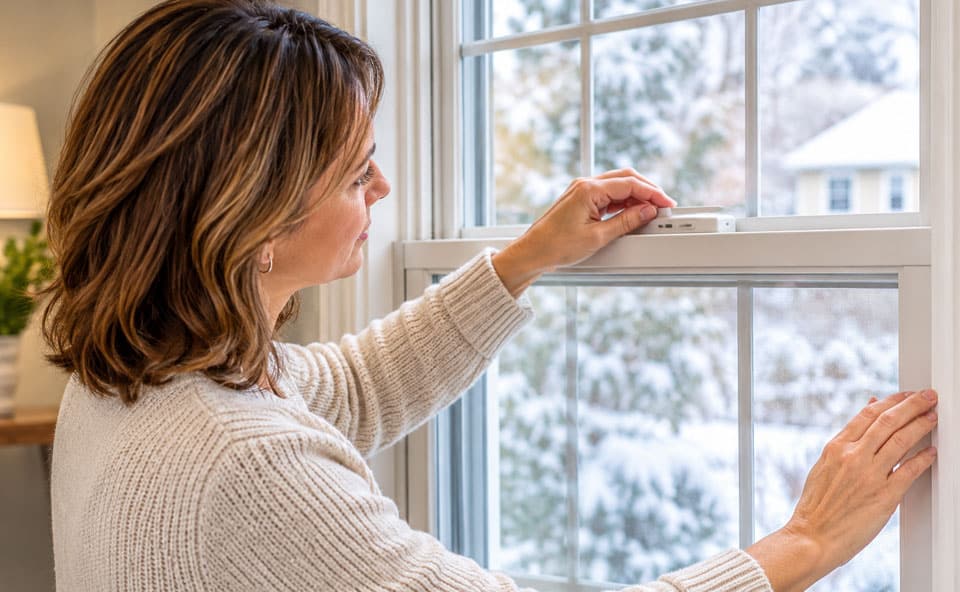
A lot of things affect how well your home holds a steady, comfortable temperature, and your windows are near the top of the list. When a window is damaged, worn out, or no longer sealed, the air you paid to heat slips outside and cold air comes in to replace it. Your furnace has to run longer to keep up, and you end up seeing it on your utility bill all winter long. According to the U.S. Department of Energy, heat gain and heat loss through windows account for 25 to 30 percent of the energy used to heat and cool a typical home.
The best time to deal with a drafty window is before the cold arrives. Fall gives you time to figure out what’s causing the draft, try a few simple fixes, and decide whether it makes more sense to repair or replace. In many cases, the best way to fix drafty windows for good is to upgrade to modern, energy-efficient windows. If you’d like someone to take a look before winter, contact the window replacement experts at PJ Fitzpatrick for an estimate.
Some drafts are obvious. Others are easy to miss until the first cold snap. These are the most common signs that a window isn’t sealing the way it should:
To find a leak, pick a windy fall day and close all of your windows and doors. Slowly move a lit incense stick along the edges of each window, around the sash, and along the trim. If the smoke wavers or blows sideways, air is getting in.
Drafts rarely show up overnight. They usually develop slowly as a window and the house around it get older.
Every house settles a little over the years, and window openings can go slightly out of square. That leaves gaps the original seals were never designed to cover. At the same time, weatherstripping wears down and caulk dries out and cracks. Double-pane windows can also lose the seal between the glass, which is why you sometimes see fog between the panes.
Poor installation is another common cause. Plenty of builder-grade windows were put in quickly, with little or no insulation between the window and the wall framing. The window itself might be in decent shape, but air comes in around it.
Older single-pane windows can make a room feel drafty even when they are sealed. The glass gets so cold in the winter that it chills the air touching it. That cold air sinks to the floor and pulls warmer air toward the window, creating a steady current you can feel from across the room.
Wood windows have a lot of charm, but they need more attention than other kinds, especially heading into winter. Wood swells in humid summer weather and shrinks when the air turns cold and dry. That seasonal movement opens up gaps around the sash that weren’t there in July.
Older wood windows have a few other weak spots. The glazing putty that holds the glass in place dries out, cracks, and falls away, which lets air in around the glass. Moisture can cause sills and the bottom of the sash to rot or warp so the window no longer closes tight against the frame. Many older double-hung wood windows also use sash weights that hang inside hollow pockets in the wall, and those pockets are rarely insulated. Cold air moves right through them.
Before winter, check wood windows for soft spots, peeling paint, and missing putty. Fresh paint and new glazing putty can help, and storm windows add a second barrier against the cold. If the wood is rotting or the windows have been patched year after year, replacement is usually the better investment. Homeowners who love the look of wood often choose wood-clad vinyl, which gives you the warmth of wood inside with a low-maintenance vinyl frame.
The way a window opens has a lot to do with where it leaks. Knowing what kind of windows you have tells you where to look.
These windows slide up and down, and the most common leak is at the meeting rail where the top and bottom sashes come together. The sash lock pulls the two sashes tight against each other, so always lock them once it gets cold. On tilt-in models, make sure each sash is fully seated in its track. A sash that’s slightly out of place will leave a gap along the side.
Casement windows swing out on a crank, and awning windows hinge at the top and swing outward. When they’re closed and locked, the sash presses against the weatherstripping on the frame, so they tend to seal tighter than sliding windows. Drafts usually come from worn weatherstripping or a crank that no longer pulls the sash fully closed.
Sliders, also called gliders, move side to side on a track. They usually seal with brush-style weatherstripping, which flattens and wears over time. Dirt and debris in the track can keep the sash from closing all the way, and clogged weep holes at the bottom of the frame can let water sit and freeze.
Picture windows don’t open, so drafts usually come from the frame or the caulk around it rather than the glass. Bay and bow windows are made up of several units joined together and project out from the wall. Air can leak where the units meet, where the window meets the house, and through the seat board and roof above it if they aren’t well insulated.
It sounds backward, but one of the best ways to get windows ready for the cold is to open each one before the weather turns. Running every window through a full open and close cycle in the fall tells you a lot.
Fall is also the time to deal with windows that have been painted shut or won’t open at all. Besides letting in drafts, a window that won’t open can’t be used as an emergency exit. Once temperatures drop, avoid forcing a window that’s stuck or frozen. Cold vinyl and old wood are more likely to crack, and cranks and balances can break under the strain.
If you need to get through one more winter before replacing your windows, a few inexpensive steps can help. You can re-caulk around the exterior trim, replace worn weatherstripping, close up storm windows, put up a plastic window insulation kit, or hang insulated curtains.
These steps are worth doing, but they only treat the symptom. Caulk and weatherstripping can’t fix a frame that’s out of square, a failed glass seal, rotted wood, or a window that was installed without insulation behind the trim. If you find yourself winterizing the same windows every fall, the problem is bigger than a tube of caulk.
Not every drafty window needs to be replaced. If the window is fairly new, the frame is solid, and the problem is limited to one part, a window repair may be all you need. Replacement usually makes more sense when your windows are 20 years old or older, you still have single-pane glass, the wood is rotting, or several windows in the house are drafty.
Modern replacement windows are designed to keep your home protected from the elements and stay tight for decades. Today’s vinyl frames have multiple chambers inside that slow the transfer of heat, and the sashes close against weatherstripping that compresses to form a tight seal. Double-pane glass with Low-E coatings and argon gas between the panes keeps the inside pane much closer to room temperature, so you don’t get cold air rolling off the glass. When you compare windows, look for the ENERGY STAR label and a low U-factor on the NFRC label.
Installation matters just as much as the window. A good window that’s installed poorly will still leak. The opening should be checked for rot and repaired, the new window set level and square, the gap around it insulated, and the exterior sealed so air and water can’t get behind it. You can see how we handle each step on our window installation process page.
If winter arrives before you’re ready, that’s fine. Windows can be installed in cold weather. We replace one window at a time, so each opening is only exposed for a short while and the rest of your home stays closed up and warm.
At PJ Fitzpatrick, we install some of the most durable and well-known windows available because we want to get the job done right the first time. We offer ProVia vinyl and wood-clad vinyl windows in nearly every style, including double-hung, casement, sliding, bay, and picture windows. You can browse all of your options on our window types page.
We can upgrade your old, drafty wood windows or replace the cheap builder-grade vinyl windows that were never installed right to begin with. Our ProVia windows are backed by a lifetime workmanship warranty, and that commitment is a big part of why readers of The Philadelphia Inquirer voted PJ Fitzpatrick the Best Window Company in the 2025 Philly Favorites.
If you aren’t sure what’s causing the draft or whether your windows need repair or replacement, our window experts are here to help. PJ Fitzpatrick has been providing reliable window replacement services for more than 45 years, and we pride ourselves on excellent customer service, so you can trust that you’ll get an honest recommendation on the best plan for your windows.
Call us at 1-833-526-2888 or contact us today to schedule an appointment, and we’ll help you get your home ready before the cold sets in. Ask us about our financing options too.
PJ Fitzpatrick, LLC
Connect With Us
Check out our social pages or our reviews page and let us know how we’re doing!
Our Services
Our Latest Blog Post